Metal Work Built for Structural Demands
Welding in Wenatchee Valley for custom fabrication, structural repairs, and on-site metal work across residential and agricultural properties
Wenatchee Valley's property mix spans working orchards with aging steel infrastructure, rural acreage with fabricated equipment mounts, and residential lots where custom metalwork gets specified for gates, railings, and structural repairs. Lonestar Fence provides welding services in Wenatchee Valley that address all three categories—custom metal fabrication, structural repair, and mobile on-site welding—handled by a team that understands what each property type actually requires in terms of material selection, joint design, and access. That combination of scope and mobility means the right tools and methods reach the job, whether that's a fixed shop fabrication or a field repair on a property where moving the workpiece isn't realistic.
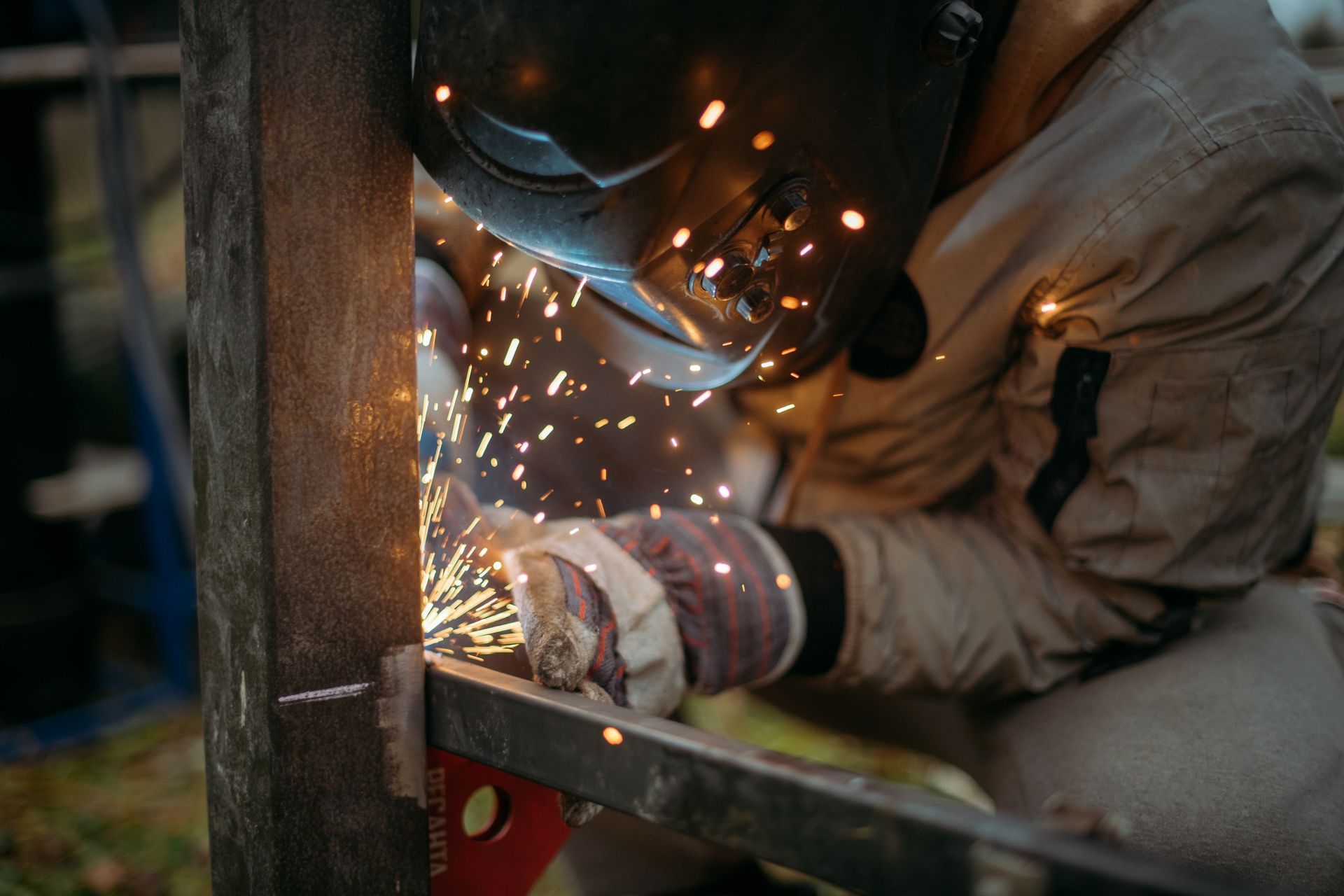
The service runs from initial consultation through fabrication and installation or repair completion. For custom fabrication work, that process begins with a measurement and design review to confirm fit, load requirements, and material gauge before any cutting or welding starts. Structural repairs follow a diagnostic sequence—identifying the failure point, cleaning the joint or damaged section, and selecting the correct filler metal and process (MIG, TIG, or stick) based on the base metal and the repair's functional load. Mobile welding calls are equipped for field work on trailers, equipment frames, gates, and fence infrastructure where transporting the piece would damage it further or create delays.
Arrange an on-site evaluation to review the scope of your welding or fabrication project before work begins.
How Welding Service Addresses Each Type of Metal Work
Process selection is one of the less visible decisions in welding work, but it directly affects joint strength and finish. MIG welding moves quickly and suits structural steel and heavier gauge material used in agricultural equipment frames and gate posts. TIG welding produces cleaner, more controlled beads suited for thinner material, ornamental work, and applications where the finished weld will be visible—railings, decorative gates, and architectural metalwork. Stick welding handles outdoor repairs where surface contamination, rust, or mill scale makes a cleaner process impractical. Lonestar Fence selects the appropriate method based on what the metal is, what it carries, and what the finished piece needs to do.
After fabrication or repair, you'll notice clean, consistent bead lines on visible welds and full penetration at structural joints—both of which are observable indicators that the weld was completed correctly rather than surface-built. On repair work, the corrected joint will return to its load-carrying function without the flex, movement, or visible cracking that indicated the original failure. Custom fabricated pieces arrive sized to specification, with attachment points, brackets, and hardware positioned as planned rather than adjusted in the field to compensate for measurement error.
Agricultural properties in the Wenatchee Valley frequently present equipment frames and structural supports that were welded decades ago using materials and techniques that don't always match current repair stock—which means the repair process sometimes involves material identification before selecting filler wire or rod to avoid compatibility issues at the joint. That extra diagnostic step is standard practice on older equipment and is part of how structural repairs hold long-term rather than failing at the heat-affected zone adjacent to the new weld.
Common Questions About the Welding Work
These questions address how welding and fabrication work is performed, what the process involves, and what affects how a project is scoped and completed.
What determines which welding process is used for a specific repair or fabrication job?
The base metal type, material thickness, joint configuration, and whether the weld will be load-bearing or ornamental all factor into process selection—MIG, TIG, and stick each perform differently on those variables, and choosing the wrong one produces welds that look acceptable but fail under load or flex.
How does mobile welding work for on-site repairs on equipment or structures that can't be moved?
A mobile welding rig carries the power source, shielding gas, wire or rod stock, and grinding equipment to the job site, so the repair happens where the piece is rather than requiring disassembly and transport—this is standard practice for trailer frames, gate hardware, and agricultural equipment anchored to foundations or connected to utility systems.
What should you check on a finished structural weld to confirm it was completed correctly?
Full penetration at the joint, consistent bead width without voids or undercut along the toes of the weld, and no visible cracking in the heat-affected zone adjacent to the bead are the three surface indicators that a structural weld was completed to a functional standard rather than built up on the surface to pass visual inspection only.
Why does material identification matter before welding a repair on older agricultural equipment in Wenatchee Valley?
Older equipment frames were sometimes fabricated from high-carbon or alloy steel that requires preheat and matched filler material to weld without cracking at the joint—using standard mild steel wire on those materials produces welds that appear sound but crack under stress within a short service period.
How is custom fabrication sequenced from measurement to finished piece?
Accurate measurements and a confirmed design are completed first, followed by material selection and cutting, tack welding for fit verification before final passes, and finish grinding or coating prep depending on the application—skipping the tack-and-verify step is a common shortcut that leads to fit problems discovered only after final welds are complete.
Lonestar Fence handles welding, custom metal fabrication, and structural repair across Wenatchee Valley properties—contact Lonestar Fence directly to discuss your project specifics and arrange an estimate based on your actual material, access, and scope requirements.