Decks Framed to Outlast Seasonal Weather Cycles
Decks and Railings in the Wenatchee Valley for residential and commercial properties where post anchoring, railing structure, and material durability are affected by semi-arid wind and soil conditions
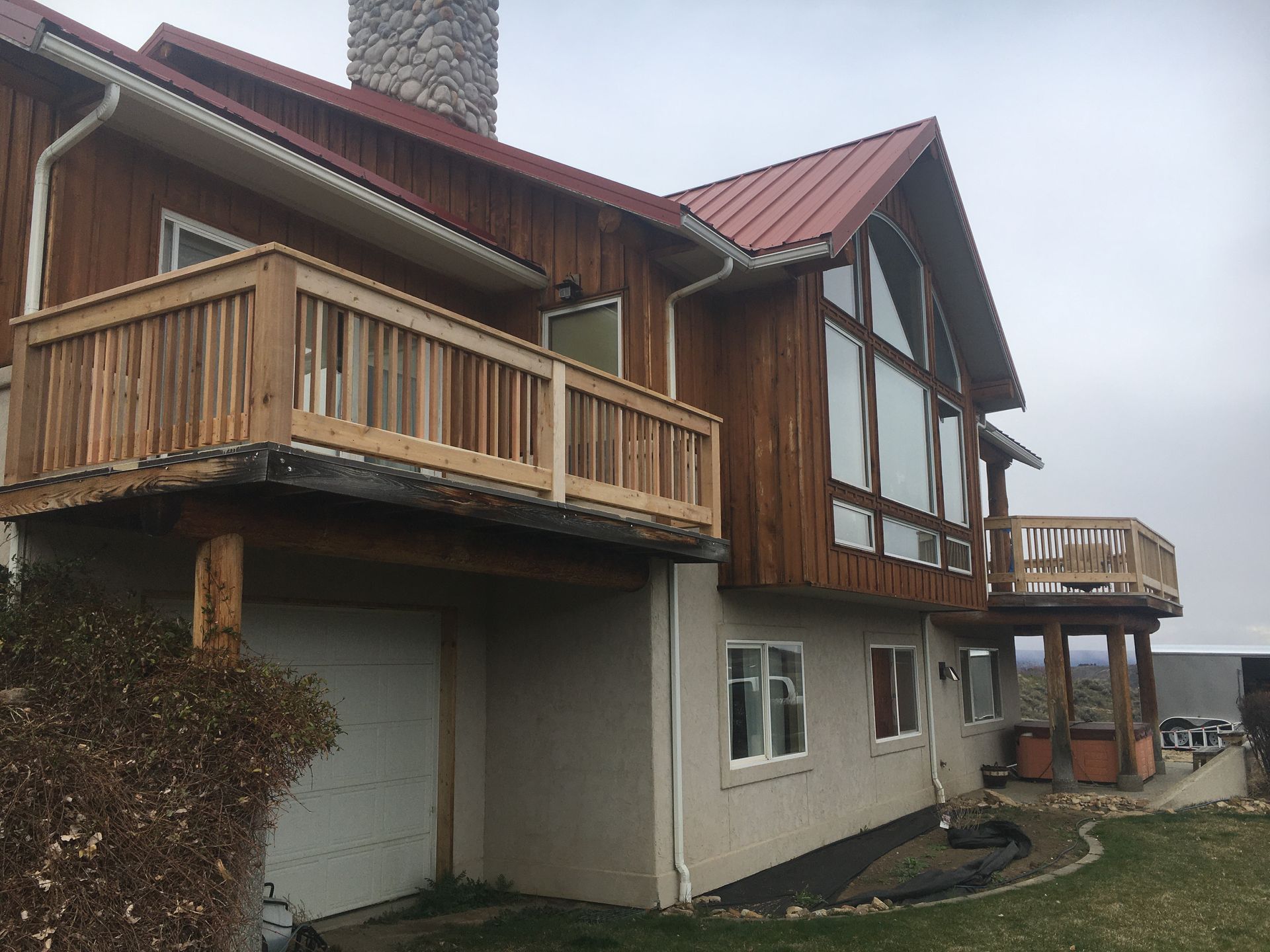
Semi-arid climate creates a specific set of demands on outdoor deck structures that milder Pacific Coast conditions don't produce: high summer heat, low humidity that accelerates surface checking in wood, and wind loads that stress railing connections repeatedly across every season. Lonestar Fence builds residential and commercial decks and railings in the Wenatchee Valley with post anchoring and structural framing designed around those local conditions rather than generic regional standards. The Columbia River valley's soil variability—ranging from compacted basalt-derived soils on elevated sites to softer, moisture-affected ground closer to the river—affects how deck posts are anchored, and that determination happens at the site level before framing begins.
Construction follows a sequence that prioritizes structural integrity before surface finish: engineered post anchoring first, then deck framing on those posts, followed by decking board installation, and finally railing frame assembly and baluster installation. That order matters because surface boards and railings installed on an inadequately anchored frame will reflect every structural movement—gaps appear between boards, baluster connections loosen, and railing sections develop wobble that wasn't there at completion. Fastening method and hardware selection for both the decking surface and railing connections account for the thermal expansion that Wenatchee Valley's temperature range produces across a full calendar year.
Submit a project inquiry to discuss your deck footprint, intended use, and railing requirements so framing and material decisions can be evaluated for your specific site conditions.
What You Notice Once the Deck Structure Is Finished
Railing structural design on a deck is a separate engineering consideration from the deck frame itself—balusters that are spaced and fastened to code provide the lateral resistance needed to prevent a railing section from deflecting under body weight or wind pressure, while decorative railings that weren't designed to those standards may look complete at installation but flex noticeably when tested. Lonestar Fence frames railing sections with that load requirement in mind from the start, which determines post spacing, connection hardware, and baluster attachment method before any surface material is selected.
A completed deck that's built to perform shows specific characteristics: the surface boards sit flat without cupping or visible fastener pull-through, the railing doesn't deflect when pushed laterally with body weight, and the post bases show no movement when the structure is loaded. Those observable details distinguish a structurally sound deck from one where the finish conceals underlying shortfalls in framing or anchoring. Lonestar Fence approaches both residential decks and commercial railing projects with the same structural benchmarks applied at the framing stage.
Material selection for decking boards affects long-term maintenance requirements more than initial appearance—pressure-treated lumber, composite decking, and hardwood options each behave differently under Wenatchee Valley's UV exposure and humidity swings, and the right choice depends on the deck's sun exposure, expected foot traffic, and how much maintenance the owner is prepared to perform annually. That decision is part of the planning conversation before material is ordered, not an adjustment made after framing is already complete.
What Deck and Railing Owners Typically Ask
These questions reflect the practical concerns that come up most often when homeowners and commercial property owners in th Wenatchee Valley are evaluating a deck build or railing replacement project.
What decking material holds up best in the Wenatchee Valley climate?
Composite decking resists the UV degradation and surface checking that affects untreated or under-treated wood in high-sun, low-humidity environments—pressure-treated lumber remains a durable option when properly sealed and maintained, but the maintenance interval in this climate is shorter than in coastal areas.
How deep do deck posts need to be anchored in this region?
Post depth depends on soil type at the specific site and the deck's structural load—sites with looser or moisture-variable soil near the river require deeper footings or engineered post bases to prevent frost movement or lateral shift under wind load.
What determines the required railing height on a residential deck?
Railing height requirements are set by building code based on deck elevation above grade—decks above a certain height threshold require railings that meet specific height and baluster spacing standards, and those code requirements apply regardless of the aesthetic preference.
How are railings tested for structural integrity after installation?
A properly installed railing section should resist a 200-pound lateral load applied at the top rail without deflecting beyond code-allowable limits—that test is the observable standard that confirms baluster spacing, post connection, and frame attachment are all performing as designed.
When is the best time of year to schedule deck construction in the Wenatchee Valley?
Concrete work for post footings cures most reliably when ambient temperatures are above freezing and below peak summer heat, making spring and early fall the most predictable seasons for starting a deck project in this region.
Lonestar Fence builds decks and railings for residential and commercial properties across the Wenatchee Valley and the Wenatchee valley. To discuss your project layout and get an accurate picture of what the build involves, call Lonestar Fence at (509) 906-4484 and arrange a site evaluation.