Durable Perimeter Fencing That Requires Almost Nothing
Chain link fence installation in the Wenatchee Valley for residential yards, commercial lots, and properties needing secure, low-cost boundary definition
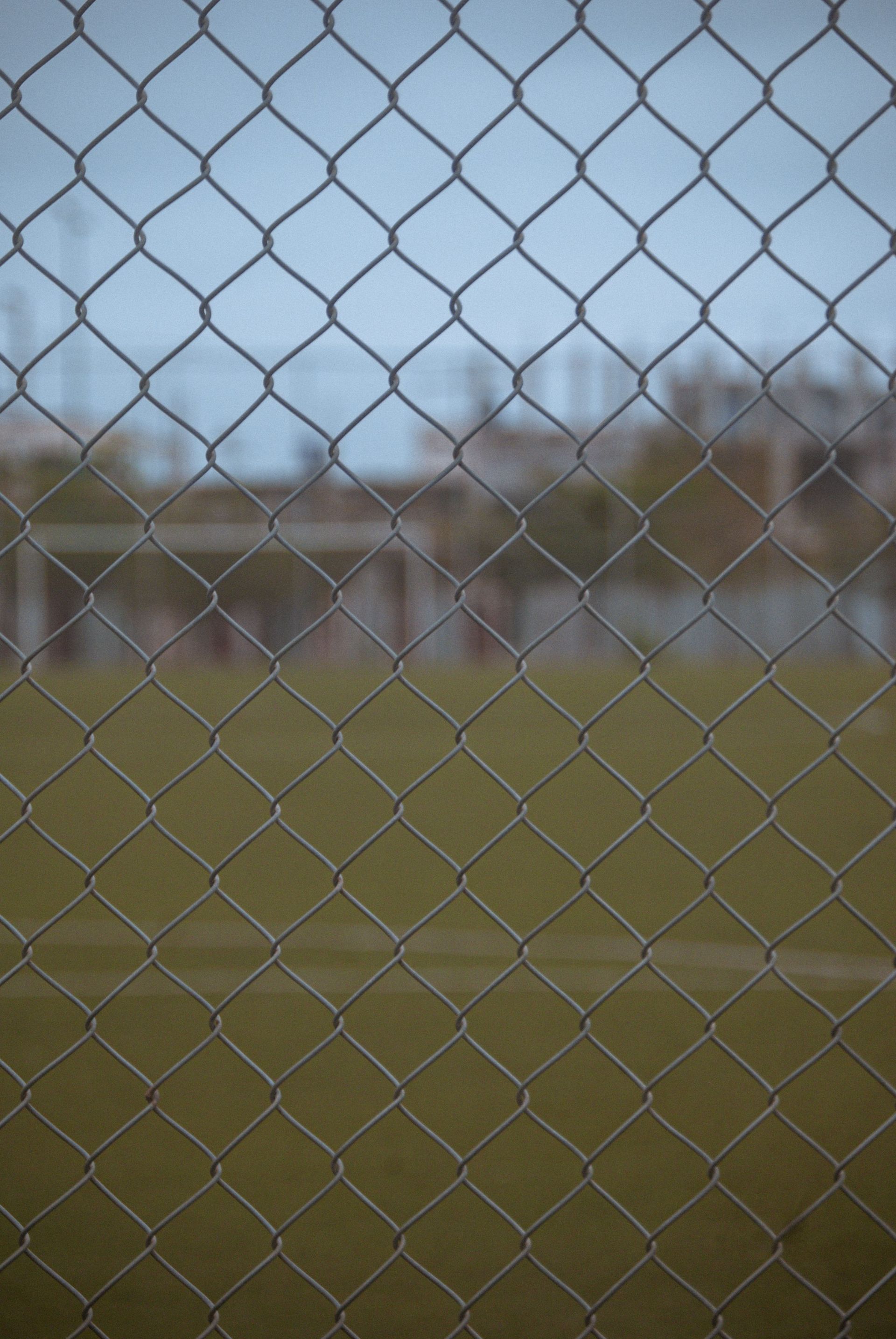
What changes after a chain link fence is properly installed is immediately visible: a defined, stable perimeter that doesn't require seasonal maintenance, doesn't warp in summer heat, and doesn't deteriorate in the dry conditions that shorten the lifespan of untreated wood. Lonestar Fence installs chain link fencing for both residential and commercial properties across Wenatchee Valley, handling everything from small yard enclosures to large commercial perimeter jobs. The material holds up well in North Central Washington's semi-arid climate—low ambient humidity means rust progression is slower here than in coastal or high-rainfall regions, making chain link a particularly practical long-term option.
Installation involves post hole digging to a depth appropriate for the soil conditions at the specific site, which in Douglas County can range from loose sandy fill to compacted rocky ground. Each post is set in concrete, and after curing, the chain link mesh is stretched and tensioned between posts—mesh tension is a detail that separates a professional installation from a DIY result, because insufficient tension causes the fabric to sag and shift over time. Terminal posts at corners, ends, and gates are set deeper and in larger concrete footings than line posts because they bear the full tension load of the mesh span.
Arrange a site review to confirm post depth requirements and get an accurate estimate based on your property's fence run and soil conditions.
What Chain Link Installation Actually Accomplishes
Chain link fencing works as a perimeter system because the mesh fabric distributes load across the entire tension span rather than at individual connection points. This is why mesh tension during installation matters—properly stretched fabric resists wind deflection without transferring stress to individual post welds or rail clamps. In the Wenatchee Valley wind corridor, a fence with undertensioned mesh will visibly bow and rattle during wind events, which accelerates wear at the tie points where fabric connects to top rail.
After installation, you'll notice the mesh sits flat and taut without visible sag between posts, gates swing and latch without binding, and the overall system doesn't shift or flex when pushed from either side. Lonestar Fence includes custom gate options in chain link projects—single and double-swing configurations are available, sized to the specific opening width and built with the same post-depth standards as the rest of the fence line.
Chain link is available in standard galvanized finish and vinyl-coated options; vinyl-coated mesh adds a layer of color and an additional barrier against surface oxidation in areas where irrigation overspray or seasonal moisture affects the fence line. The choice between finishes is typically a combination of budget, aesthetics, and how close the fence runs to irrigation zones or water sources on the property.
Answers to Frequent Service Questions
These questions reflect what residential homeowners and commercial property managers typically ask before starting a chain link fence project in the Wenatchee Valley area.
Why does mesh tension matter so much during installation?
Undertensioned mesh sags between posts, concentrates stress at tie points during wind events, and eventually causes the fabric to loosen from the top rail—properly stretched chain link transfers load evenly across the full span, which is what keeps the fence looking and functioning correctly for decades.
How deep do posts need to be set in the Wenatchee Valley soil?
Post depth depends on soil composition at the specific installation location—rocky or hard-packed native soil may allow shallower depth with equivalent stability, while loose or sandy fill soil requires deeper footings and larger concrete volumes to prevent post rotation under lateral wind loads.
What gauge of chain link fabric is appropriate for a residential property?
Standard residential installations typically use 11- or 11.5-gauge fabric, while commercial or high-security applications use heavier 9-gauge—the decision depends on the intended use of the enclosed area and whether the fence needs to contain animals or deter unauthorized access.
How does chain link hold up during winter in Douglas County?
East Wenatchee winters bring cold temperatures but relatively low moisture compared to western Washington, and galvanized chain link handles freeze-thaw cycles without structural degradation—posts set in properly cured concrete footings below frost depth won't heave or shift seasonally.
What gate configurations are available with chain link installation?
Single-swing and double-swing gate configurations are both available, sized to the specific opening width needed for your property—vehicle access gates require wider openings and heavier gate frames than pedestrian access gates, and both are factored into the initial installation plan.
Lonestar Fence handles residential yard enclosures and commercial perimeter projects across the Wenatchee Valley and Douglas County—call (509) 906-4484 to set up a property assessment and get a full material and labor estimate for your chain link project.