Fencing Built for Real Property Conditions
Residential Fencing Services in Wenatchee Valley for homes facing wind stress, soil variability, and aging fence structures
Lonestar Fence installs, repairs, and maintains residential fences for single-family homes across Wenatchee Valley and the Wenatchee valley. Homeowners dealing with leaning posts, wind-damaged panels, or properties that need a new fence from the ground up rely on a service that accounts for local soil and climate conditions from the start. The semi-arid conditions along the Columbia River corridor introduce specific challenges—high wind loads stress fence panels differently here than in wetter Pacific Northwest regions, and soil composition across residential and ranch parcels varies enough that no two installations follow identical post-depth specifications.
Residential fencing projects in this region require decisions about material selection that go beyond aesthetics. Wood fences in low-humidity climates dry and crack faster than those installed in coastal environments, making species selection and finish treatment a functional consideration rather than a decorative one. Vinyl holds up well against UV fading but requires specific post-setting methods in sandy or rocky soils to maintain alignment over time. Lonestar Fence assesses each property's layout, soil type, and wind exposure before recommending materials, which is why a fence installed correctly here stays plumb through the seasonal temperature swings that can heave posts set too shallow.
Request a property walkthrough to determine the right fencing approach for your specific lot and conditions.
What Proper Residential Fence Installation Requires
A residential fence installation begins with a site assessment that identifies soil composition, slope, and existing utility or property line constraints. Post placement and depth are determined based on what the ground can actually hold, not a standard specification applied uniformly. In Wenatchee Valley, where soils can shift between clay-heavy compositions near the river and drier, rockier terrain further up the hillside, this step directly affects how long a fence stays level and structurally sound.
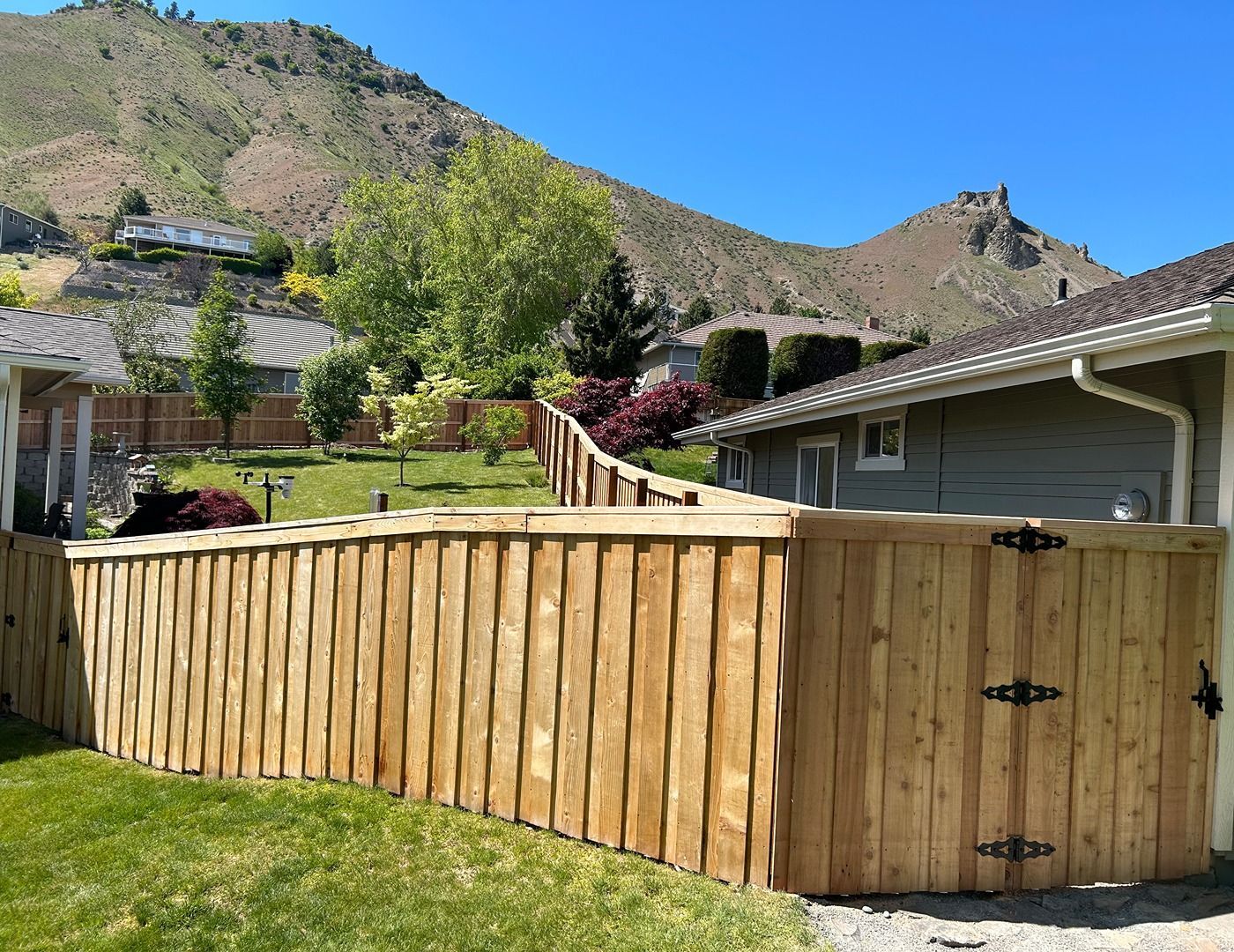
After installation, you'll notice consistent panel alignment across the fence line, gates that open and latch without adjustment, and posts that sit flush without visible lean. A fence installed to match property-specific conditions doesn't develop the gradual tilt that typically appears within one to two seasons when post depth is underestimated. Lonestar Fence covers wood, vinyl, chain link, and metal fencing—every material type except masonry—and includes custom gate fabrication as part of the full-service scope.
The scope of a residential project also depends on whether existing fence sections need removal before new installation begins, whether the property includes grade changes that require stepped or racked panel configurations, and whether gates need to be positioned for vehicle versus pedestrian access. Each of these factors shapes material quantities, post placement, and overall project sequencing before a single post is set.
Common Questions About Residential Fence Projects
Homeowners in the Wenatchee Valley typically ask similar questions before committing to a fence installation or repair project. The answers below address the details that matter most when planning residential fencing work in this specific climate and terrain.
What fence materials work best in a semi-arid climate like the Wenatchee Valley?
Vinyl and metal fencing hold up well against the UV intensity and low humidity common in North Central Washington, while wood requires a quality stain or sealant applied at installation to prevent premature drying and cracking.
How does soil type affect post installation depth?
Rocky or sandy soils require different post-setting methods—sometimes concrete footings poured deeper than standard, or mechanical anchors—to prevent frost heave and wind-driven lean over time.
When is the right time to schedule a residential fence installation?
Post-winter inspection is a practical trigger, since freeze-thaw cycles can shift posts and loosen hardware in ways that become visible in spring, but installation is feasible across most of the year in this climate.
What does a residential fence installation include beyond the fence panels themselves?
Gate hardware, gate framing, and post caps are part of a complete installation—along with any grading adjustments needed to keep the fence line consistent across uneven terrain.
Why do wind loads matter for residential fence design in this area?
The Columbia River corridor channels wind in ways that place lateral pressure on fence panels, particularly on taller privacy fences, making panel attachment method and post spacing decisions more consequential than in sheltered locations.
Lonestar Fence handles residential projects across the Wenatchee Valley as a one-person operation, which keeps communication direct and turnaround timelines shorter than larger crews managing multiple job sites simultaneously. Call (509) 906-4484 to discuss your property's specific fencing requirements and arrange a site evaluation.