Posts Set Right the First Time
Fence Installation in the Wenatchee Valley for properties where soil variability and wind exposure determine how long a fence stays level
A fence that leans within its first season is almost always a post-depth problem—one that originates during installation when soil conditions aren't assessed before the first hole is dug. Lonestar Fence installs new residential and commercial fences across the Wenatchee Valley using a site-first approach that identifies soil composition and wind exposure at each property before any material is ordered or post placement is marked. North Central Washington's semi-arid terrain produces some of the widest soil variation in the region, from compacted caliche near ridge lines to loose river-deposited soils along the Columbia—and what holds a post solid in one location will let it shift in another.
Installation covers wood, vinyl, chain link, and metal fencing, with custom gate fabrication included as part of the scope. The material chosen for each project follows from the site assessment: vinyl performs consistently in high-UV conditions but requires properly cured concrete footings to stay aligned through freeze-thaw cycles; wood requires post species selection and treatment depth appropriate for low-humidity climates where untreated lumber dries out and splits faster than manufacturer timelines suggest; chain link in wind-exposed locations needs tension wire at the top and bottom rail, not just the standard middle rail, to prevent the fabric from billowing under lateral gusts.
Submit your property address for a site assessment that accounts for your specific soil conditions and fencing goals.
What You Notice Once the Installation Is Finished
The installation sequence begins with property line confirmation, utility marking, and a physical soil check before posts are positioned. Gate locations are set based on traffic patterns—where vehicles or people actually need to move—rather than defaulting to a corner placement that's convenient for the installer. Panel spacing and attachment hardware are selected based on the fence height and material, because a six-foot privacy fence carries significantly more wind load per panel than a four-foot decorative fence and needs correspondingly heavier fasteners at each post connection.
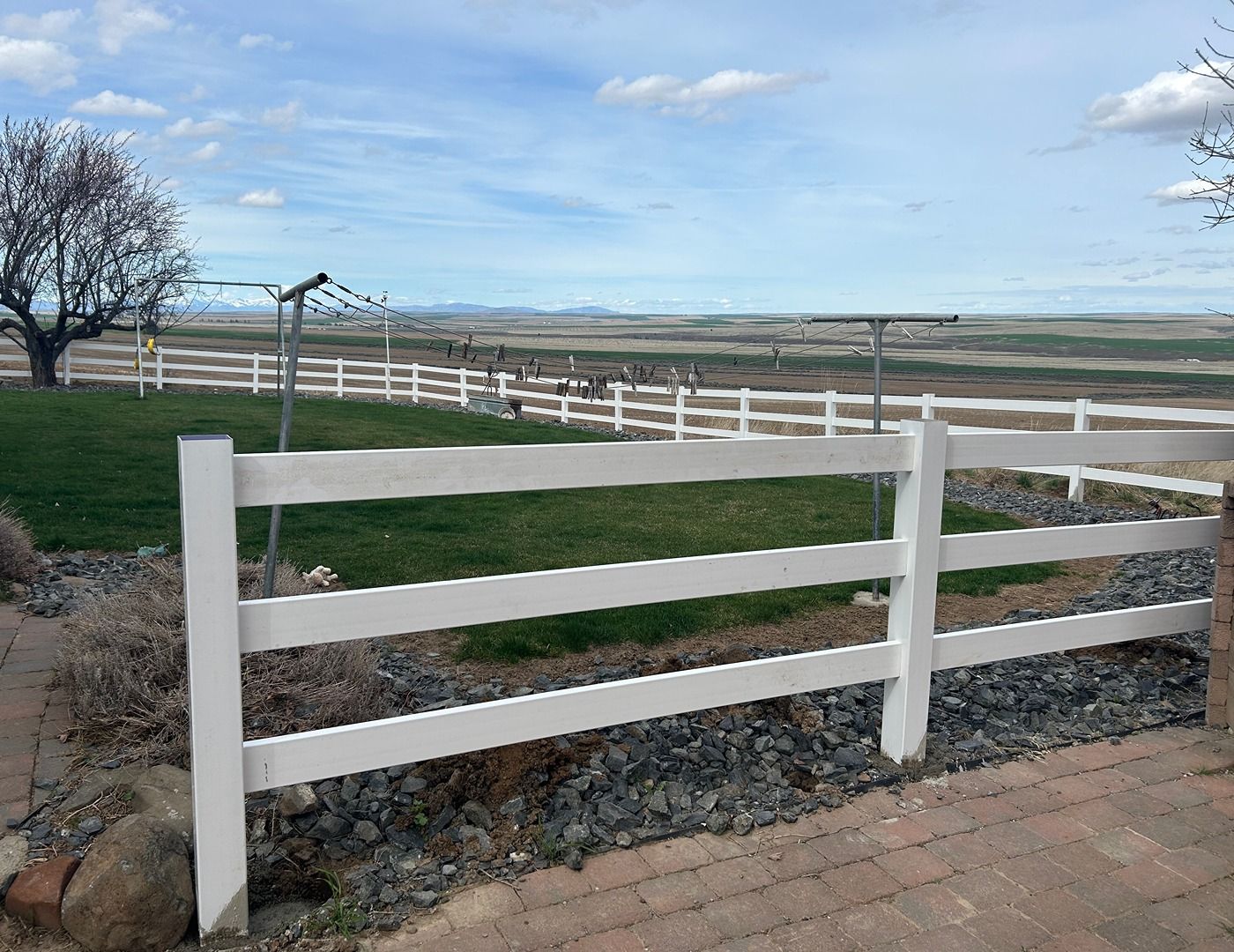
After installation, you'll have a fence line that holds its geometry—posts plumb, panels level, gates that latch on the first close rather than requiring a lift or push to engage. Lonestar Fence's one-person operation means the same person who does the site assessment sets the posts and hangs the panels, eliminating the handoff errors that occur when assessment and installation are handled by different crew members on larger jobs.
Installation scope depends on whether the site requires old fence removal before new work begins, whether grade changes require stepped panel configurations, and whether any sections need to transition between fence types—for example, a wood privacy section connecting to a chain link run along a property boundary. These transitions require framing and post-sizing decisions made at the design stage, not improvised during installation.
Questions Before Starting Your Project
Planning a fence installation involves more than choosing a material. These questions cover the practical considerations that affect how the project gets done in the Wenatchee Valley's specific terrain and climate conditions.
How deep do fence posts need to be set in the Wenatchee Valley?
Post depth typically follows a rule of one-third the total post length below grade, but rocky substrate or sandy soils may require concrete footings poured to greater depth or mechanical anchor systems to achieve equivalent holding strength.
What is the difference between racked and stepped fence panel installation?
Racked panels follow the slope of the ground continuously, while stepped panels drop in uniform increments—the right approach depends on slope severity and the material being used, since vinyl panels cannot be racked the way wood can.
When should a property owner consider metal fencing over wood or vinyl?
Metal fencing is the appropriate choice when a site faces consistent high wind loads, requires a specific load rating for commercial use, or when the fence needs to double as a vehicle or livestock barrier.
What happens during the site assessment before installation begins?
The assessment covers soil composition, grade changes, utility locations, existing fence conditions, gate positioning, and material suitability—each factor influences post placement and panel specifications before a single hole is marked.
Why does gate fabrication need to be part of the original installation plan?
Gate width, swing direction, and hardware weight must be coordinated with post placement and material selection from the start—gates added after the fence is installed often require post reinforcement that could have been built in originally at lower cost.
Lonestar Fence manages fence installation projects across the Wenatchee Valley from initial site assessment through final hardware adjustment. Call (509) 906-4484 to schedule a walkthrough and get a detailed installation plan based on your property's actual conditions.